
False Reports Are Much Less Common Than People Think
When a parent or child reports inappropriate behavior by a teacher, coach, or other school or youth organization employee, one concern often surfaces quickly: What if the allegation isn't true?
It's a legitimate question and the fear of a false report is real. They can cause real harm, and no fair investigative process should ignore that possibility. Yet, in our experience, and according to decades of research, deliberately false reports are rare.
Reporting is rarely easy. It often means retelling painful details, facing doubt from others, and risking friendships, reputations, or even jobs. For a child, it can also mean worrying about getting in trouble or upsetting the adults they love. Few people would choose that path without good reason, and many with real concerns never come forward at all.
An Unsubstantiated Report Is Not the Same as a False Report
This distinction is one of the most important concepts for administrators to understand.
An unsubstantiated report is one where an investigation could not gather enough evidence to confirm what happened. That could mean there were no witnesses, relevant records no longer exist, or the evidence simply wasn't there. It does not mean the reporter lied.
A false report involves something different: an allegation that is knowingly fabricated, rather than one that cannot be proven.
When schools and organizations blur these distinctions, they risk drawing conclusions that the evidence does not support. An inability to establish misconduct is not proof that misconduct did not occur, just as an allegation alone is not proof that it did.
When "not substantiated" gets treated as "made up," it sends a harmful message to the person who reported it and to everyone watching.
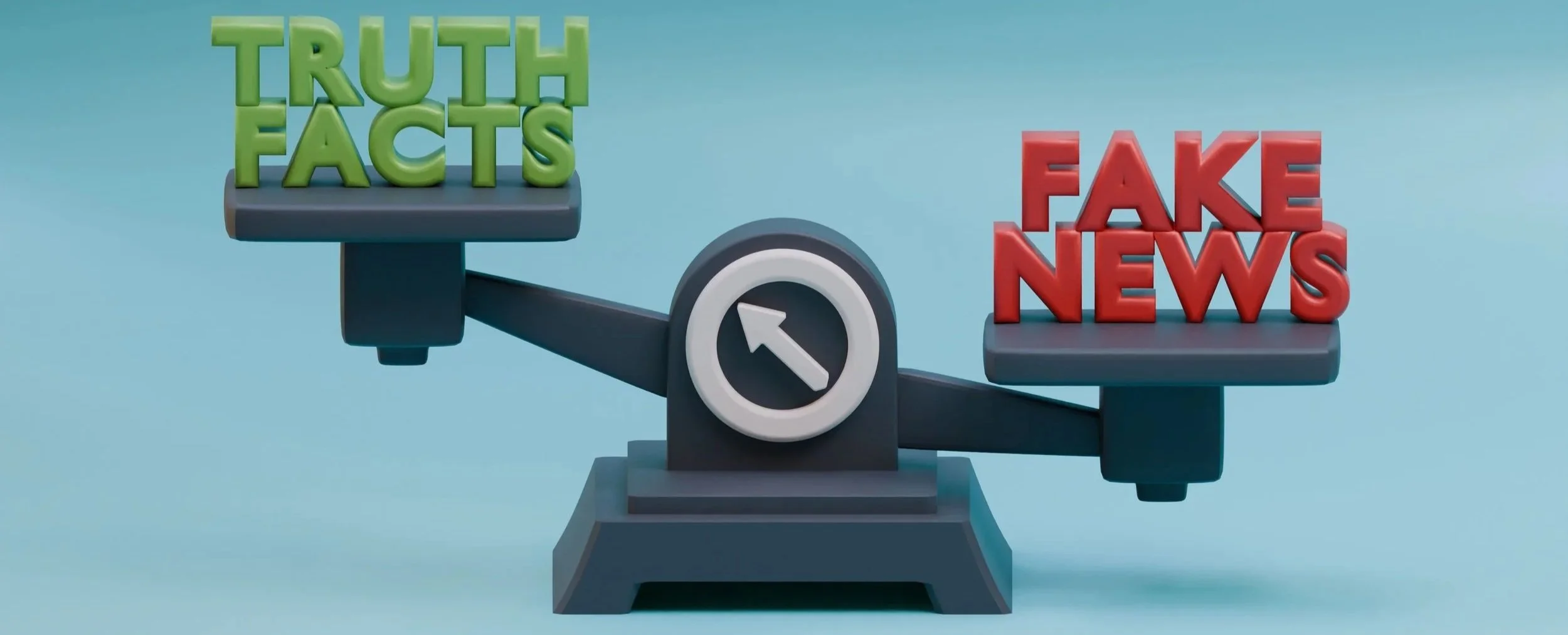
Why the Myth Persists
If false reports are so uncommon, why do so many people believe otherwise? A few reasons come up again and again.
Rare cases get the most attention. A false accusation makes headlines because it is unusual. The many true reports rarely do.
We tend to trust people we know. When the person accused is a well-liked teacher or coach, it can be hard to imagine them causing harm. Doubting the report can feel easier than accepting what it suggests.
Children's stories can seem messy. Kids may disclose bit by bit, mix up details, or even take back what they said. Research shows that recanting often happens when a child feels unsupported or under pressure, not because the original report was untrue.
Outcomes get misread. As noted above, "we couldn't prove it" is often heard as "it didn't happen."
What Administrators and Leaders Should Keep in Mind
When a report of staff misconduct is received, the possibility of a false allegation should be addressed through the investigative process, not used as a reason to avoid one.
Leaders can help establish that expectation by:
Responding consistently. Every report should receive an appropriate assessment, regardless of the identities or positions of the people involved.
Avoiding premature judgments. Neither the reporting party nor the accused employee should be presumed truthful or dishonest before the evidence is evaluated.
Preserving information. Prompt action can help ensure that relevant communications, records, and witness accounts remain available.
Using developmentally appropriate practices. Student interviews should be conducted carefully, with attention to age, communication abilities, and the risk of suggestive questioning.
Documenting the rationale for decisions. Conclusions should be grounded in the evidence and the applicable standard, not assumptions about how a person in a particular situation should behave.
Recognizing the limits of the evidence. When a finding cannot be reached, the outcome should accurately reflect what the investigation established and what it did not.
Being careful with the word "false." Reserve it for cases where there is clear evidence of a deliberate fabrication, not for cases that simply couldn't be confirmed.
Key takeaways
📌 The possibility of a false report should not be confused with evidence that a report is false.
📌 An unsubstantiated allegation does not mean the reporter made a false complaint.
📌 The evidence should guide the outcome regardless of who is involved.
📌 A thorough, neutral investigation protects everyone.
